Your Guide to Efficient HVAC for Office Buildings
Scheduling routine maintenance and installing smart controls keep HVAC for office buildings running efficiently. Regular upkeep, system upgrades, and proper vent placement improve air flow and temperature consistency. Monitoring indoor air quality ensures a healthier workspace while training staff on energy-saving practices reduces unnecessary costs.
One Avenue Group reports that in the U.S., approximately 42% of workers feel their offices are too hot while 56% think they were too cold. Unconducive temperatures can lower employee morale and reduce productivity.
Office buildings should maintain functional and comfortable spaces. A well-functioning HVAC system is essential for supporting productivity and protecting overall operations.
Which HVAC System Is Best for Office Buildings?
Selecting the right office building HVAC system depends on:
- Building size
- Layout
- Occupancy
- Number of floors
- Peak energy demand
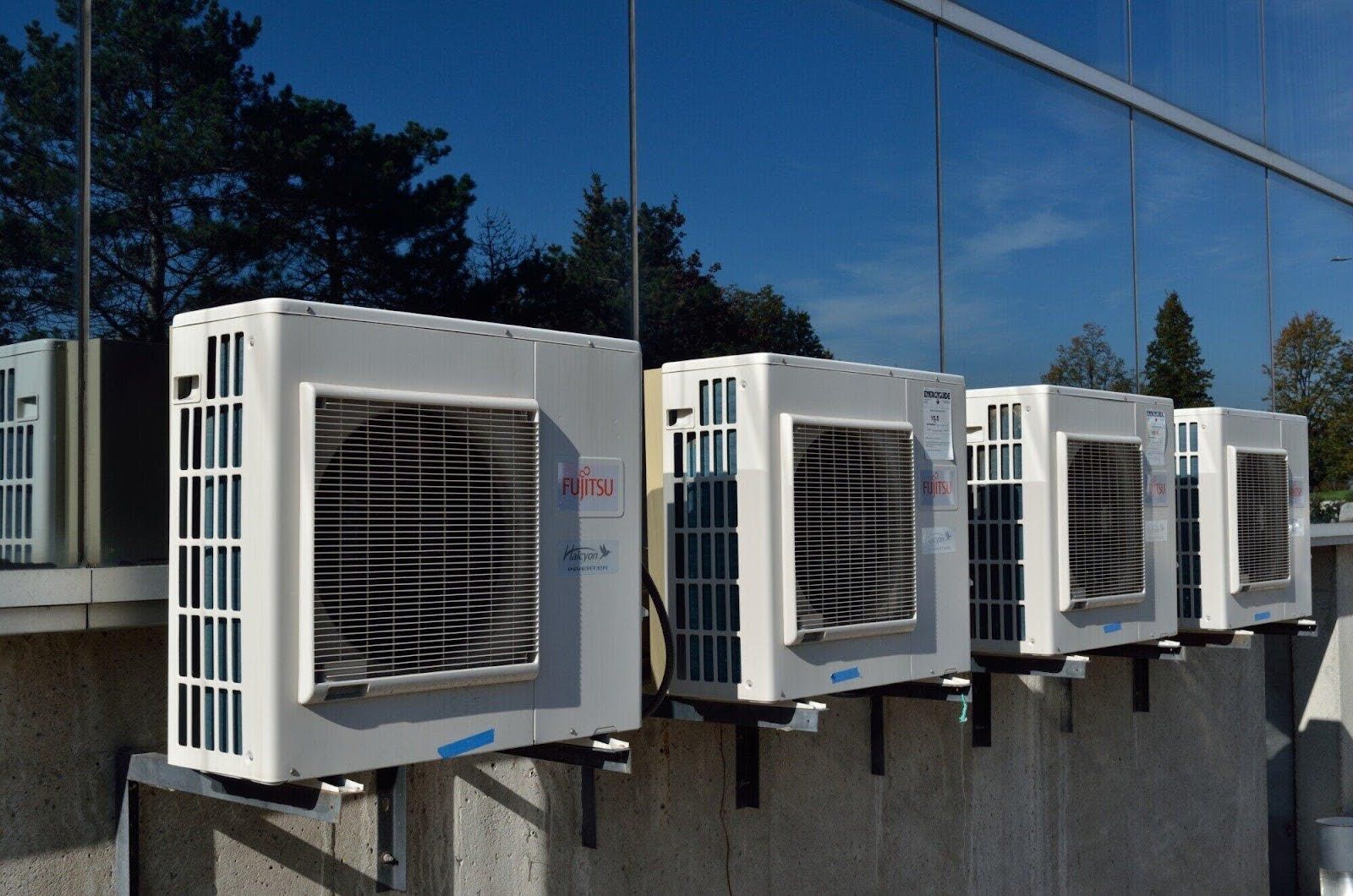
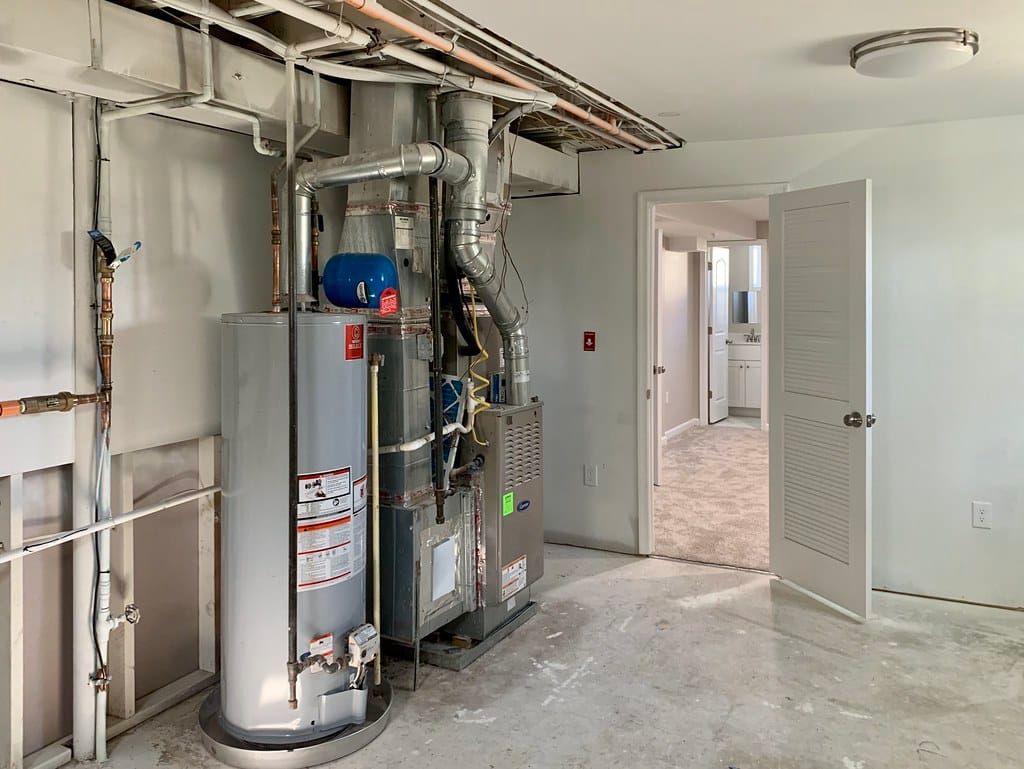
Variable air volume (VAV) systems provide precise temperature control for large or multi-zone offices. Packaged rooftop units work well for smaller buildings with simpler layouts. Modern systems with energy recovery ventilators can capture waste heat and improve efficiency.
Choosing the right system ensures consistent comfort for staff and reduces long-term maintenance costs. Consulting certified professionals like Advantage Air HVAC helps identify the most suitable solution for optimal performance and reliability.
How Do You Size an HVAC System for a Commercial Building?
Sizing an HVAC system correctly ensures consistent comfort and energy efficiency in offices. Undersized systems cannot maintain proper temperatures, while oversized units waste energy. Consider factors like:
- Square footage
- Ceiling height
- Insulation
- Peak occupancy
- Number of floors
- Equipment load
Engineers calculate heating and cooling loads to match the system to the building's needs. Seasonal variations and equipment redundancy should also be factored in to maintain a reliable office climate control year-round.
How to Maintain an Efficient HVAC System in Office Buildings
Maintaining an efficient HVAC for office buildings requires attention to routine tasks and smart practices. Small, consistent steps can prevent larger issues and improve comfort for all staff.
Schedule Routine Maintenance Checks
Regular inspections prevent breakdowns and maintain airflow, so:
- Replace filters monthly
- Clean coils
- Check refrigerant levels
- Inspect ductwork
- Lubricate moving parts
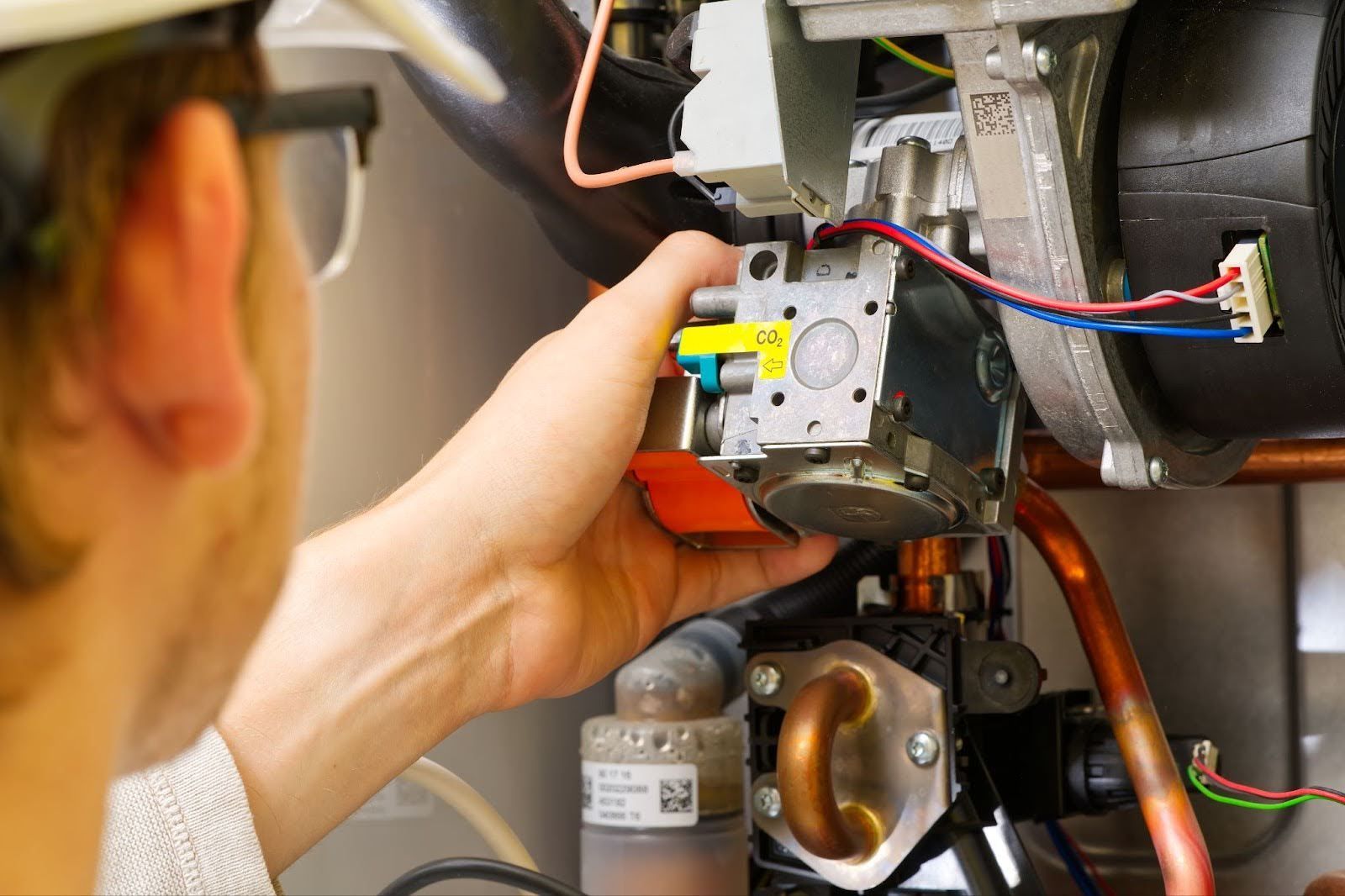
Professional technicians like Advantage Air HVAC can detect minor issues before they escalate. Our team can recommend the best maintenance schedule and handle inspections efficiently.
Consistent upkeep protects equipment, reduces repair costs, and ensures smooth operation. Maintaining these practices improves commercial HVAC efficiency and keeps office systems running year-round.
Improve Airflow with Proper Vent Placement
Proper vent placement assists in improving office air quality and maintaining a consistent temperature throughout the space. Supply and return vents should balance airflow across all areas.
Avoid blocked vents or furniture that restricts circulation. Well-planned airflow prevents hot or cold spots, reduces strain on HVAC equipment, and supports healthy ventilation.
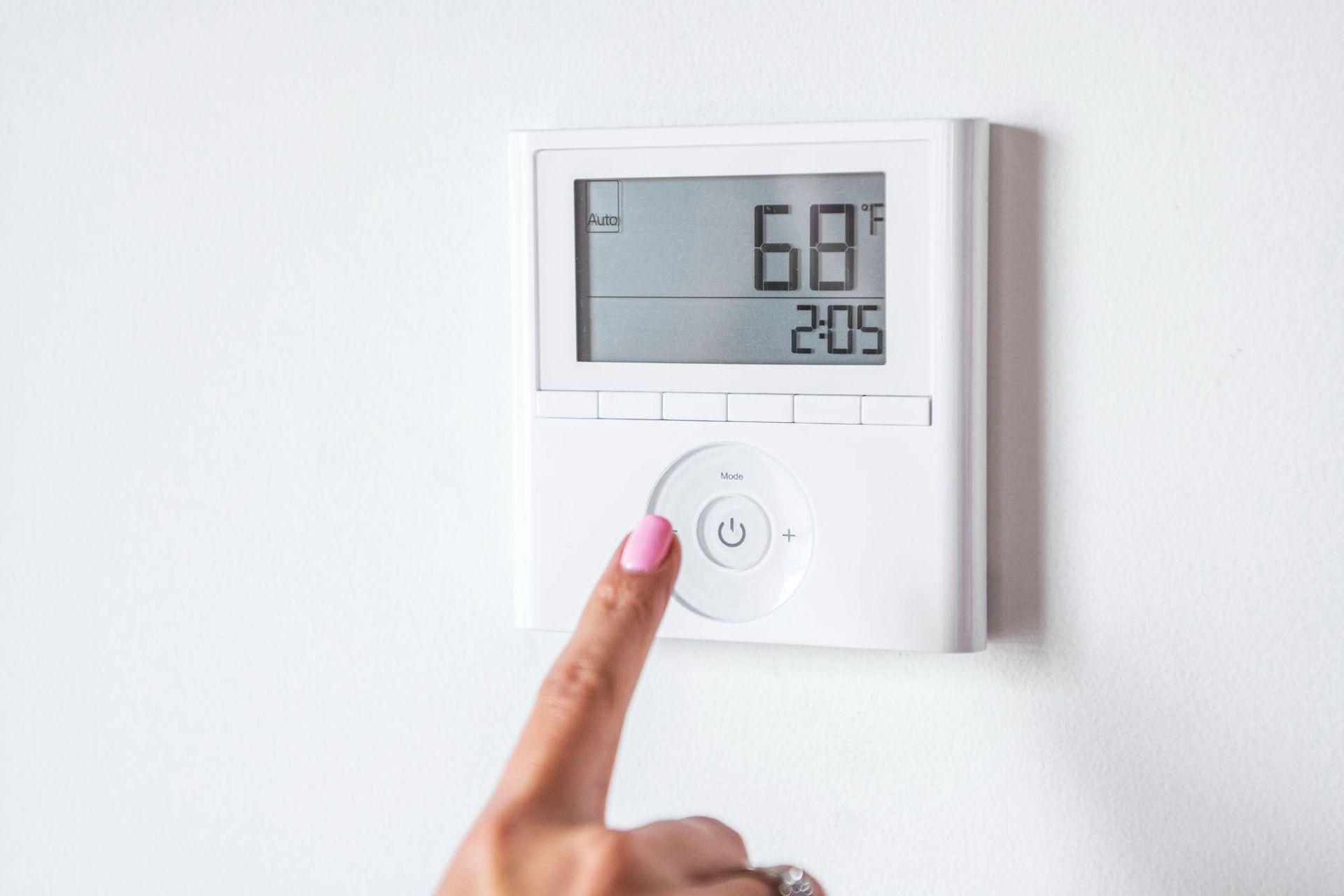
Install Smart Thermostats for Control
Smart thermostats provide flexible office climate control and adapt to changing conditions automatically. They adjust temperatures based on:
- Occupancy
- Time of day
- Seasonal changes
- Peak energy demand
- Zone-specific requirements
Programmable schedules reduce energy use during nights, weekends, and off-hours. Centralized control makes managing multiple zones easier and more efficient. Using smart thermostats helps:
- Enhance staff comfort
- Ensure consistent temperatures
- Lower operational expenses
- Support energy-saving practices
Monitor Indoor Air Quality
Keeping the indoor air clean ensures a healthy and productive workplace. High-quality filters, air purifiers, and proper ventilation remove dust, allergens, and pollutants.
Controlling humidity prevents mold growth and protects equipment. Consistently tracking air quality improves employee comfort, reduces health issues, and supports efficient operation throughout the office.
Upgrade Your HVAC System Regularly
Replacing outdated equipment enhances performance and reduces energy waste. Modern systems feature:
- Efficient compressors
- Fans
- Controls
- Variable speed motors
- Smart sensors
Upgrades improve temperature consistency, reduce maintenance needs, and support energy-saving practices. Consider high-efficiency models with certifications to maximize long-term savings.
Modernizing your system is an investment in reliability, comfort, and consistent office climate control. Proper upgrades ensure that your HVAC operates efficiently and keeps employees comfortable year-round.
Train Staff on Energy-Saving Practices
Educating staff on energy use supports energy-saving HVAC efforts and reduces operational costs. Encourage employees to close doors and windows during extreme temperatures. Remind them to report unusual airflow, noises, or comfort issues.
Promote awareness of the programmable schedules and thermostat settings. Simple behavior changes complement system efficiency, extend equipment lifespan, and maximize the benefits of upgraded HVAC technology throughout the office.
Frequently Asked Questions (FAQs)
How Does Window Placement Affect Heating and Cooling Loads?
Window placement impacts sunlight exposure and temperature control. South-facing windows may increase cooling needs in summer. East- or west-facing windows can cause heat gain or glare.
Poorly insulated windows increase heating costs in winter. Proper shading, blinds, or energy-efficient glass reduces load. Thoughtful design minimizes energy use and maintains consistent office climate control.
What Are the Most Common HVAC Issues in Older Commercial Buildings?
Older commercial buildings often experience:
- Leaking or unsealed ducts
- Outdated equipment and controls
- Poor insulation
- Worn-out fans or compressors
- Corroded pipes or clogged filters
- Inconsistent airflow and uneven temperatures
To address these issues, schedule regular inspections and maintenance to detect problems early. Sealing ducts and upgrading insulation can improve system efficiency. Replacing or modernizing worn equipment ensures reliable performance.
Cleaning or replacing filters and checking pipes helps maintain good air quality. Balancing airflow throughout the building reduces hot or cold spots and enhances employee comfort.
How Can Airflow Sensors Help Optimize Energy Use in Offices?
Airflow sensors monitor ventilation and detect uneven air distribution. They provide real-time data to adjust dampers and fans automatically. Sensors ensure proper airflow to occupied areas while reducing energy use in empty zones.
They help balance temperature, prevent hot or cold spots, and reduce HVAC strain. Proper monitoring enhances comfort and supports energy-saving HVAC practices across the office.
HVAC for Office Buildings: Ensuring Comfort and Efficiency
Efficient HVAC for office buildings keeps offices comfortable and productive while maintaining clean, healthy air. Proper maintenance, upgrades, and smart controls help reduce energy costs and improve employee comfort.
At Advantage Air HVAC, we offer expert heating, cooling, and ventilation solutions for commercial spaces. Founded in 2007, we handle installation, repairs, and preventive maintenance to ensure your office HVAC operates well.
Our team has more than 32 years of combined experience in the HVAC industry. We provide clear guidance on what needs to be done, estimated costs, and timelines. Reach out today to request a free estimate.