Furnace Installation Timeline: What Lexington Homeowners Should Expect

February 15, 2026

Lexington homeowners can expect furnace installation to follow a clear, predictable timeline that moves from planning to heat-on with minimal disruption. The process usually spans several days, depending on system choice, home layout, and inspection needs. Knowing the sequence upfront helps you avoid delays, surprises, and cold nights.


Across the United States, upgrading to a high-efficiency furnace can cut fuel use and lower emissions significantly when compared to older units, helping households reduce energy waste
and lower bills, according to the U.S. Department of Energy Energy Saver program. Homeowners often worry about how long furnace installation will take and how it might disrupt their day. Ultimately, you'll feel more confident when you know the stages involved and how professionals plan the work, so you can plan your schedule with peace of mind.

How Long Does Furnace Installation Usually Take?

Most furnace installation projects take one full day once work begins. Timing depends on system size, duct condition, and permit needs. Homes with older setups may need extra prep, which can extend the schedule slightly.


Clear planning keeps delays to a minimum. Professional crews arrive with equipment ready and follow a set sequence. You stay informed as each phase moves forward, from removal to final testing.
Repair work may be shorter, depending on the complexity of the job.


What Happens Before Installation Day Arrives?

The process starts with an in-home evaluation and system selection. Measurements, airflow checks, and load calculations shape the final plan. Permits and inspections are scheduled early to prevent hold-ups.

Preparation makes installation day run smoothly. Equipment is ordered, timelines are confirmed, and expectations are set. You know what to expect when technicians arrive and how long the heat will be offline.


Initial Home Evaluation and Planning

The timeline starts with a detailed in-home review by professionals that sets expectations early. Measurements, airflow checks, and existing equipment condition shape the plan. Clear planning reduces surprises later and keeps work moving smoothly.


Expect the visit to focus on long-term performance, not quick fixes. Discussions often cover home heating systems and comfort goals. Clarity at the start helps every later stage stay on track.

Key planning elements include:

  • System sizing
  • Airflow checks
  • Energy goals
  • Permit needs


Removing the Old Furnace

Removal day marks the first physical change inside your home. Power and gas lines are shut off safely before equipment comes out. Crews work efficiently to limit downtime and keep the area clean.


Older units sometimes need extra care during removal. Access points and tight spaces can affect timing. Controlled removal protects your home and prepares the space for what comes next.

Removal tasks often include:

  • Utility shutoff
  • Unit disconnection
  • Safe lifting
  • Disposal prep


Installing the New System

Installation day brings the most visible progress. The new unit is positioned, secured, and connected to existing ductwork. Proper alignment supports long-term performance and safety.


Energy efficient furnaces require a precise setup to deliver promised savings. Technicians follow manufacturer guidelines closely. Precision drives efficiency during this stage of the furnace replacement process.

Installation steps include:

  • Unit placement
  • Duct connection
  • Gas hookup
  • Electrical wiring


Testing and System Calibration

Testing ensures everything runs as designed before technicians leave. Airflow, temperature output, and safety controls are checked carefully. Adjustments are made on site to fine-tune performance.


Professional furnace installers confirm system balance and comfort levels. Calibration supports reliability during peak heating months. Testing prevents future issues and builds confidence in the installation.

Common testing tasks include:

  • Airflow balance
  • Thermostat setup
  • Safety checks
  • Performance review


Final Inspection and Walkthrough

The last phase focuses on approval and homeowner education. Inspections confirm code compliance and safe operation. Local Lexington HVAC services coordinate any required sign-offs.


A walkthrough explains system use and basic care. You learn how to spot early issues and maintain comfort. Confidence comes from understanding before the project officially wraps up.

Final steps often include:


Frequently Asked Questions


How Much Time Should You Set Aside for Installation Day?

Most homeowners plan for a full day once installation begins. Crews typically arrive early and work through each phase without long gaps. Access to the work area helps keep the schedule on track.

Homes with older layouts may need extra preparation. Electrical updates or vent adjustments can add time. Clear communication before the visit helps avoid delays.


Will Your Home Be Without Heat During the Process?

Heat is usually offline only during active removal and setup. Many projects restore heat the same day. Technicians sequence tasks to limit downtime.


Cold weather planning matters during winter installs. Temporary solutions are sometimes discussed ahead of time. Preparation keeps comfort disruptions brief.


Do Permits and Inspections Slow Things Down?

Permits are handled before installation day in most cases. Scheduling inspections early prevents bottlenecks later. Local requirements can influence timing.


Inspection timing varies by municipality. Some approvals happen the same day. Others follow shortly after installation wraps up.


What Can Affect the Overall Timeline?

System complexity plays a major role. Older ductwork or electrical systems may require updates. Home size also impacts labor time.


Weather and part availability can influence schedules. Planning ahead reduces last-minute changes. Flexibility helps keep progress moving.


How Can You Prepare Your Home Before Crews Arrive?

Clear pathways speed up movement and setup. Pets should be secured for safety. Access to panels and vents helps crews work efficiently.


Thermostat preferences and comfort concerns should be shared early. Questions answered ahead of time reduce pauses. Preparation supports a smooth experience.


Furnace Installation Timeline Recap

Your furnace installation timeline feels manageable once each phase is clear and predictable. Planning, removal, setup, testing, and final checks follow a logical order that limits disruption and keeps comfort steady.


Advantage Air brings decades of hands-on experience delivering precision heating solutions tailored to Lexington homes, with certified technicians who handle system design, installation, and long-term performance in one streamlined process. Our team specializes in custom furnace installs, energy-focused upgrades, and meticulous testing that ensures dependable comfort from day one.
Contact us to learn how Advantage Air's Lexington-based expertise and full-service approach can make your furnace installation smooth, efficient, and built to last.
September 24, 2026
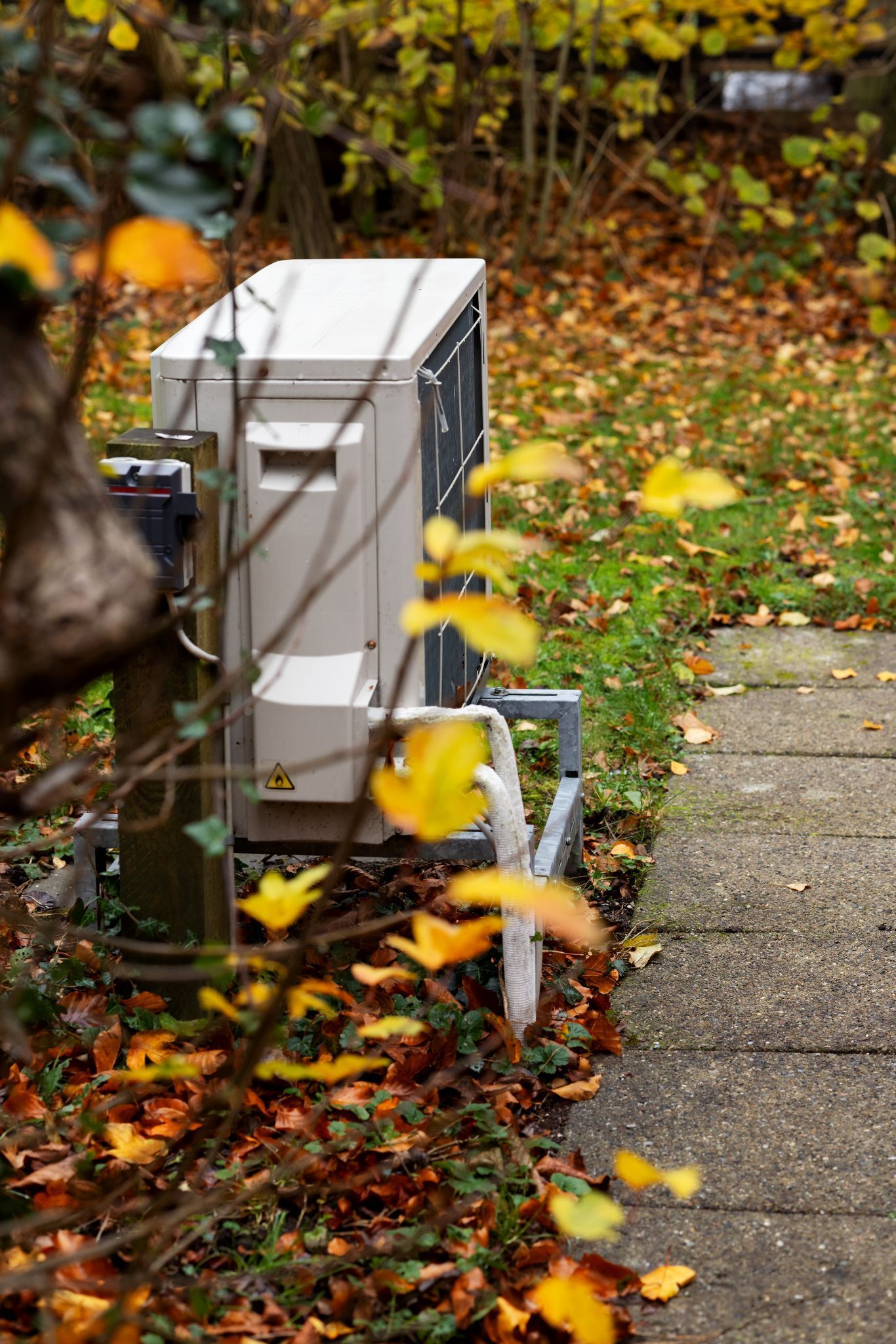
Fall in Lexington can be unpredictable. One afternoon, you're enjoying sunshine and temperatures in the 70s, and a few days later, you're reaching for a jacket and wondering whether it's finally time to turn on the heat.  That stretch between Kentucky's summer heat and the first truly cold days of winter is also one of the best times to give your HVAC system some attention. After working hard through another hot and humid Lexington summer, your system is getting ready to switch gears. Scheduling a fall HVAC tune-up now gives you the opportunity to make sure your heating system is ready before the first cold night arrives. Your HVAC System Just Finished a Long Kentucky Summer If you live in Central Kentucky, you already know how hard an HVAC system can work from June through August. High temperatures combined with our humidity can turn into long cooling cycles and plenty of wear on your equipment. By early fall, your system has been through months of heavy use. Before asking it to handle another season, this time keeping your home warm, it's worth having everything checked. Don't Wait Until the First Cold Night Preventive maintenance isn't only about avoiding breakdowns. It's also about helping the equipment you already own do its job properly. You may not notice the difference between a system that's operating correctly and one that's slowly losing efficiency until your energy bill arrives. Fall maintenance gives you a chance to address those concerns before your heating system starts running every day. Small Problems Are Usually Better to Find Early Nobody wants an unexpected HVAC repair, but there's a good time and a bad time to discover one. Finding a worn component during a scheduled fall appointment gives you time to understand what's happening and talk through your options. Finding it because the heat stopped working overnight is a different experience. That's one reason we encourage Lexington homeowners to think of HVAC maintenance as preventive rather than reactive. You shouldn't have to wait until something completely stops working to call an HVAC company. At Advantage Air HVAC, our goal is to help you understand what's happening with your system and what actually needs to be done. If something can be addressed before it becomes a larger problem, we'd rather help you catch it early. What Happens During a Fall HVAC Tune-Up? A tune-up is essentially a checkup for your heating system. The exact service can depend on your equipment, but a professional HVAC maintenance appointment may include inspecting your thermostat, air filter, blower and motor, electrical connections, heat exchanger, burners, ductwork, and other important components. It's also a good opportunity to mention anything you've noticed around your house. Does one bedroom always feel colder than the others? Has the system started making a new noise? Does the heat seem to run longer than you remember? Have your utility bills changed? Those little details can help your technician understand how your HVAC system is performing in the real world, not just how it looks during an inspection. Fall Is Also a Good Time to Talk About Your Long-Term Options A tune-up doesn't automatically mean that you need a new HVAC system. In fact, one of the benefits of regular maintenance is having a better understanding of the equipment you already have. If your system is getting older or has needed several repairs, a fall appointment can be a good time to discuss its condition before you're forced into a decision during an emergency. Advantage Air believes in being fair and transparent about those conversations. Sometimes a repair makes sense. Sometimes homeowners want to start planning ahead for replacement. And when a larger HVAC investment is necessary, financing options may be available to help make the cost more manageable. The important thing is having enough information to make the decision that's right for your home and your budget. Local Service Matters When Kentucky Weather Changes Fast HVAC systems in Lexington have to deal with a little bit of everything. We get humid summers, chilly fall mornings, freezing winter nights, and those classic Kentucky weeks when it feels like we're experiencing multiple seasons in a matter of days. That kind of changing weather makes it especially important to know your system is prepared to switch from cooling to heating when your home needs it. Advantage Air HVAC has been serving Lexington and the surrounding Central Kentucky area for more than 32 years. We understand the demands our local weather puts on heating and cooling equipment because we live and work here, too. We're also licensed and insured, and our experienced technicians work with homeowners throughout Lexington and surrounding communities to keep their systems running comfortably and efficiently. Whether you're scheduling routine maintenance or calling because something doesn't seem quite right, our approach is straightforward: understand what's happening, explain your options clearly, and help you find the solution that makes sense for your home. Schedule Your Fall HVAC Tune-Up Before Winter Arrives You can't control what kind of winter Lexington will have, but you can make sure your HVAC system is as prepared as possible for it. Scheduling your fall tune-up now can help identify developing problems, support efficient operation, and give you more confidence when it's finally time to turn on the heat for good. And it's much easier to deal with an HVAC issue on a comfortable fall afternoon than during the first freezing night of the year. If your home is due for seasonal maintenance, now is the time to get it on the calendar. Taking care of your system before winter can make the transition into colder weather feel a little easier for your household. Contact Advantage Air HVAC today to schedule your fall HVAC tune-up in Lexington, KY, and head into the colder months knowing your heating system is ready when you need it.
September 8, 2026
If you’ve spent a summer in Lexington, you know Kentucky heat is only half the battle. Add in the humidity, and an 88-degree afternoon can feel much hotter. Your air conditioner may run for what feels like most of the day just to keep your home comfortable. Unfortunately, that comfort can come with an unpleasant surprise when the electric bill arrives. The good news is that lowering your summer cooling costs does not have to mean keeping your house uncomfortably warm. A few smart adjustments can help your HVAC system operate more efficiently, reduce unnecessary energy use, and keep your Lexington home comfortable through the hottest parts of summer. Here are some of the best places to start. 1. Give Your Thermostat a Little Breathing Room Your thermostat has a major impact on how much energy your HVAC system uses. The greater the difference between the outdoor and indoor temperatures, the harder your air conditioner has to work. That does not mean you need to spend the summer sweating inside your own home. Instead, find the highest temperature that still feels comfortable for your family and avoid making dramatic thermostat adjustments throughout the day. If you leave for work, consider allowing the temperature to rise slightly while the house is empty. A programmable or smart thermostat can handle these adjustments automatically and begin cooling your home before you return. The U.S. Department of Energy recommends using thermostat schedules to reduce unnecessary heating and cooling while you're away or asleep. One thing that does not help is setting the thermostat dramatically lower because you want the house to cool faster. Your air conditioner generally cools at the same rate whether you set it to 72 or 62. The lower setting simply gives the system a much longer job to do. 2. Change Your Air Filter Regularly It's one of the simplest HVAC maintenance tasks, but it's also one of the easiest to forget. A dirty air filter restricts airflow through your HVAC system. When your system cannot move air efficiently, it has to work harder and longer to reach the temperature you've set. During a Kentucky summer, when your AC is already working overtime, that added strain matters. Check your filter monthly during periods of heavy use. How frequently it needs to be replaced depends on the type of filter, your HVAC system, pets, allergies, and other factors in your home. A fresh filter can support better airflow, indoor air quality, and HVAC efficiency all at once. 3. Don't Ignore Kentucky Humidity Sometimes the problem isn't actually the temperature. It's the humidity. Central Kentucky summers can be extremely humid, and high indoor humidity makes your home feel warmer than the thermostat suggests. You might respond by lowering the temperature another few degrees when what you really need is better humidity control. Your air conditioning system naturally removes some moisture as it operates, but a properly sized and maintained system is important for effective dehumidification. If your home consistently feels sticky or uncomfortable despite the AC running, talk with an HVAC professional. It could indicate an issue with system sizing, airflow, equipment performance, or another component of your home's indoor comfort. 4. Keep the Sun From Heating Your Home Your AC should not have to fight the afternoon sun more than necessary. Closing blinds or curtains on windows receiving direct sunlight can reduce the amount of heat entering your home, particularly during the hottest parts of the afternoon. This can be especially helpful for west-facing rooms that seem to get noticeably warmer later in the day. You do not have to live in the dark all summer. Simply being strategic about which shades are closed during peak sunlight can help reduce the amount of heat your HVAC system needs to remove. 5. Use Ceiling Fans Strategically Ceiling fans do not actually lower the temperature of a room, but they can make the people in it feel cooler by moving air across the skin. That means you may be comfortable with a slightly higher thermostat setting when a ceiling fan is running. Just remember one important detail: fans cool people, not rooms. Turn them off when you leave. Leaving a ceiling fan running all day in an empty bedroom will not make the room cooler when you return. 6. Keep Your Outdoor AC Unit Clear Your outdoor condenser needs airflow to work properly. Grass clippings, weeds, leaves, landscaping, and other debris can accumulate around the unit and interfere with that airflow. Take a quick look around your outdoor equipment throughout the summer and keep the surrounding area clear. Avoid covering or crowding the unit with landscaping in an attempt to hide it. A little visual camouflage is not worth restricting the airflow your system needs to operate efficiently. If the equipment itself needs cleaning or maintenance, leave that work to one of our skilled technicians who can safely inspect the unit. 7. Pay Attention to Signs Your AC Is Working Too Hard Higher summer energy bills are normal to a point. Your air conditioner simply runs more when Lexington temperatures climb. A sudden or unusually large increase, however, can tell you something else is happening. Watch for warning signs such as: Your AC running almost constantly Certain rooms staying warmer than others Weak airflow from vents Unusual noises or odors Frequent on-and-off cycling Your home feeling humid despite the AC running Energy bills increasing significantly without a change in usage These symptoms could point to anything from restricted airflow to an equipment issue that needs professional attention. Addressing a small problem early is usually preferable to discovering it when the system stops working on a 90-degree afternoon. 8. Don't Skip Preventative AC Maintenance One of the best ways to control cooling costs is also one of the most straightforward: take care of the equipment you already have. Professional HVAC maintenance gives a technician an opportunity to inspect the system, identify developing problems, check important components, and make sure the equipment is operating as intended. Think of it like maintaining your car. You would not expect a vehicle to perform its best for years without an oil change or inspection. Your heating and cooling equipment needs regular attention too. Preventative maintenance can be especially valuable before Lexington's peak cooling season, giving you an opportunity to address problems before your system is under its heaviest workload. 9. Know When Efficiency Is Becoming an Equipment Problem There comes a point when adjusting the thermostat and changing filters can only accomplish so much. Older HVAC systems typically become less efficient over time. If you're scheduling frequent repairs, struggling to maintain consistent temperatures, or watching energy costs climb year after year, it may be worth evaluating whether continued repairs make financial sense. Newer air conditioning and heat pump systems can offer substantially better energy efficiency than older equipment. ENERGY STAR provides efficiency information homeowners can use when comparing heating and cooling equipment. That does not mean every older system needs to be replaced. A trustworthy HVAC contractor should help you understand the condition of your current equipment, expected repair costs, and potential energy savings so you can make an informed decision. Stay Cool Without Dreading Your Summer Energy Bill Lexington summers are going to be hot. Your house does not have to be. Small changes like maintaining your air filter, using your thermostat strategically, managing sunlight and humidity, and keeping up with preventative HVAC maintenance can make a meaningful difference in how efficiently your home stays comfortable. And if your cooling bills continue climbing despite doing the right things, it may be time to have the system checked. Advantage Air HVAC has been helping Lexington and Central Kentucky homeowners stay comfortable for decades. Whether you need routine AC maintenance, an HVAC repair, or help determining whether it's time for a more efficient system, our team can help you understand your options without making the process complicated. Contact Advantage Air HVAC today to schedule service and keep your home comfortable through the rest of the Kentucky summer.
August 5, 2026
The body content of your post goes here. To edit this text, click on it and delete this default text and start typing your own or paste your own from a different source.
June 30, 2026
If you've lived in Lexington for any length of time, you know our weather can keep you on your toes. One week you're running the air conditioner, and the next you're reaching for the thermostat because temperatures dropped overnight. That's why choosing the right HVAC system and having it installed correctly is one of the most important investments you can make in your home. A new HVAC system should do more than simply heat and cool your house. It should keep every room comfortable, control humidity during Kentucky's muggy summers, and operate efficiently enough to keep your energy bills manageable throughout the year. Unfortunately, that doesn't always happen. According to the U.S. Department of Energy , more than 65% of residential HVAC systems are installed incorrectly. Even a high-quality system can struggle if it's oversized, undersized, or not properly matched to the home. Homeowners often notice uneven temperatures, higher utility bills, or systems that seem to run constantly despite being relatively new. The good news is that a little knowledge goes a long way. Understanding what to expect during HVAC installation can help you make a smarter decision and enjoy reliable comfort for years to come. How Do You Know What Size HVAC System Your Home Needs? One of the biggest misconceptions homeowners have is that bigger is better when it comes to HVAC equipment. In reality, the right size system depends entirely on your home's specific heating and cooling needs. A qualified HVAC contractor should perform what's known as a Manual J load calculation. This process evaluates how your home gains and loses heat throughout the year and helps determine the correct system size. Several factors influence these calculations, including: Insulation levels Window efficiency Ceiling height Sun exposure Room layout Number of occupants For example, a newer home in Hamburg may have very different HVAC needs than an older home in Chevy Chase. That's why simply replacing your existing unit with the same size equipment isn't always the best approach. An oversized system can short-cycle, turning on and off frequently without properly controlling humidity. An undersized system may run continuously during Lexington's hottest summer days or coldest winter nights. Both situations create unnecessary wear and can lead to future HVAC repair costs. What Type of HVAC System Works Best for Homes in Lexington, KY? The best HVAC system for your home depends on your layout, existing ductwork, energy goals, and budget. Common options include: Central air systems Heat pumps Dual-fuel systems Ductless mini-splits Central air systems remain one of the most popular choices for Lexington homeowners because they provide reliable whole-home comfort using existing ductwork. Heat pumps have become increasingly popular throughout Central Kentucky because they provide both heating and cooling from a single system while offering impressive energy efficiency. Homeowners interested in reducing energy costs can compare system efficiency ratings and recommendations through the ENERGY STAR heating and cooling program. For additions, garages, bonus rooms, or homes without existing ductwork, ductless mini-splits can be an excellent solution. When comparing equipment, it's important to look beyond the upfront price and consider efficiency ratings such as: SEER2 AFUE ENERGY STAR® certification These ratings help homeowners understand long-term operating costs and energy savings. Choosing the right system today can help lower monthly utility bills while reducing the likelihood of future AC repair and maintenance issues. What to Ask Before Hiring an HVAC Installer Not all HVAC installations are created equal. The quality of the installation often has a greater impact on performance than the equipment itself. Before hiring a contractor, ask questions about: Load calculation methods Ductwork inspection procedures Airflow testing Permit requirements Warranty coverage Project timeline A reputable contractor should be able to clearly explain every step of the process and answer your questions without relying on vague promises. You should also request a detailed written estimate outlining: Equipment costs Labor costs Additional work required Potential upgrades or modifications Working with a local company is especially important because Lexington's climate presents unique challenges related to humidity, seasonal temperature swings, and varying home styles throughout the area. Best Practices Homeowners Should Expect During HVAC Installation A professional HVAC installation involves much more than simply swapping out equipment. Some of the key steps include: Safe removal of existing equipment Proper refrigerant charging Electrical load verification Thermostat calibration Airflow testing throughout the home These procedures help ensure the system operates according to manufacturer specifications and delivers balanced comfort throughout the house. Contractors should also verify: Refrigerant levels Static pressure readings Airflow measurements System cycling performance Proper airflow is one of the most overlooked parts of HVAC installation. In fact, the Environmental Protection Agency (EPA) notes that airflow and indoor air quality can be significantly impacted by poorly maintained or improperly designed HVAC systems. Frequently Asked Questions How Long Does HVAC Installation Take? Most residential HVAC installations can be completed within one to two days. More complex projects involving ductwork modifications, electrical upgrades, or older homes may require additional time. Are Permits Required for HVAC Installation in Lexington, KY? Permit requirements vary depending on the scope of the project. In most cases, professional HVAC contractors will handle permitting and inspections to ensure the installation complies with local building codes. What Is the Cost of HVAC Installation in Lexington, KY? The cost of HVAC installation depends on several factors, including: System type Home size Ductwork condition Installation complexity A thorough estimate should include equipment, labor, permits, and any additional materials needed to complete the project. The most accurate pricing comes after an in-home evaluation. HVAC Installation in Lexington, KY: Take the Next Step Toward Year-Round Comfort Whether you're replacing an aging furnace, upgrading to a more efficient system, or building a new home, proper HVAC installation is one of the best investments you can make in your comfort and energy efficiency. At Advantage Air HVAC, we've proudly served Lexington and the surrounding communities for decades. Our team understands the unique heating and cooling challenges Kentucky homeowners face, and we're committed to helping you find the right solution for your home and budget. From furnace repair and AC repair to complete HVAC installation, geothermal systems, and commercial HVAC services, we provide dependable service backed by experience and local expertise.  If you're considering a new HVAC system, we'd love the opportunity to help. Contact Advantage Air HVAC today for a free estimate and discover why homeowners throughout Lexington trust us to keep their homes comfortable year-round.
May 15, 2026
The body content of your post goes here. To edit this text, click on it and delete this default text and start typing your own or paste your own from a different source.
April 30, 2026
Kentucky is notorious for its seasonal temperature ranges and for how quickly the temperature can swing within a span of 24 hours. According to the National Weather Service, Lexington sits in a humid subtropical climate zone where winters can drop below 26 degrees Fahrenheit and summer heat can easily push past 85 degrees. Because of the rapid temperature swings in the region, an HVAC system could be working flat out to cool your property in the afternoon. By the following morning, it might need to switch to heating mode. Because of the year-round demand that this places on HVAC equipment, the system is under higher-than-average strain and uses more energy. According to Energy Star, HVAC systems account for roughly 50% of your home's total energy use, so a failing system can quickly drive up your bills and leave you uncomfortable in your home. Let's explore some of the most common heating and cooling problems that could require HVAC repair. 1: There's Uneven Temperature Between Rooms There are a few common telltale signs that your system is struggling to keep up. If your room feels significantly warmer or cooler as you walk between them, it suggests that your system isn't distributing the air correctly. This could indicate problems like: Ductwork issues A failing blower motor A problem with the refrigerant You shouldn't ignore such things, as none of these issues will resolve without intervention. 2: Your HVAC System Running Constantly Another sign to look out for is that your system is running nonstop. While your HVAC system needs to work harder than average in Lexington, that doesn't mean the system should be running flat out 24/7. A constantly running system suggests it might be undersized for your property. It could also have a dirty condenser coil, or it might be low on refrigerant. A system that runs constantly is more likely to develop further problems, so it's best to call in professionals to diagnose the issue. 3: Poor Indoor Humidity Control Summers here in Lexington are incredibly humid, but your home should be a reliable refuge from the summer heat. If you can still feel the summer stickiness and dampness when you're inside with the doors and windows closed, it suggests the system is losing cooling capacity. 4: You Can Hear Unusual Noises Coming From The Unit A well-functioning HVAC system should make nothing more than a gentle hum. If you're hearing a significant amount of noise coming from the unit, such as grinding or scraping, it could indicate worn-out mechanical components. Homeowners sometimes ignore these sounds and hope that they'll go away, but generally, a noisy unit will fail eventually. When your HVAC unit starts making unusual sounds, it's best to get help from a qualified pro. 5: You Notice Burning Smells From The System You also shouldn't be able to smell anything coming from your unit. A burning smell from the system indicates overheating or an electrical fault, and if you even suspect that such a smell is coming from your HVAC unit, you should switch the system off immediately. 6: There's a Musty Smell or Noticeable Mold Growth A musty smell coming from the system isn't an immediate emergency, but the consequences could also be severe, as it might indicate mold or mildew growth inside the ducts. This can cause mold to be distributed everywhere in your home, potentially causing health problems for you and your family. This is a massive concern for anyone with respiratory conditions, so don't hesitate to call a HVAC repair company. 7: You're Seeing Rising Energy Bills When do rising energy bills signal an HVAC problem? Your HVAC system is probably your most significant energy expense, but the energy use should be reasonably consistent. A higher bill sometimes just means that your habits have changed, for example If you recently started working from home, you have a reasonable explanation for a higher cost. However, if your routine and habits are fairly consistent but the bill just keeps getting higher, it could indicate system degradation. A modest drop in efficiency in your HVAC unit should be clearly visible on your monthly bills. If you notice your utility bills slowly creeping up, it's worth contacting an HVAC technician to inspect your system and perform HVAC maintenance. Frequently Asked Questions How Do You Know Whether You Should Repair or Replace Your HVAC Unit? Generally speaking, HVAC units that are more than 10 years old should always be considered for replacement, particularly if they develop problems. According to the Citizens Utility Board, a good rule of thumb is multiplying your HVAC system's age in years by the estimated repair cost. If the resulting figure surpasses $5000, you should probably replace the system rather than repair it. An older system will likely fail again in a short time frame, and you'll just face repeated repair costs. You'll likely be forced to replace the unit anyway. If you've noticed the telltale sound of a failing HVAC unit , as discussed here, you shouldn't wait for a full failure. The sooner you address the problem, the simpler and cheaper it will be to address it. A professional diagnostic will identify exactly what the problem is, and the HVAC technician will provide you with an estimate before any work begins. When Should You Schedule HVAC Repairs and Inspections? Here in Lexington, it's best to schedule repairs and inspections before the peak season in spring and early fall. If you wait until the summer or winter, you'll find that during heat waves and cold snaps, technicians tend to be much less available. Looking for Reliable HVAC Repair? HVAC systems will rarely fail without warning, so by knowing the warning signs, such as uneven temperatures, unusual noises and smells, and rising utility bills, you can address the problem early and call out a technician before the system fails completely. Are you looking for a reliable and honest professional HVAC repair service here in the greater Lexington-Fayette Metropolitan Area? Advantage Air HVAC has been serving the community for over 32 years, and during that time, we've built up a loyal customer base. Advantage Air HVAC always tells our customers what needs to be done, how much it will cost, and how long it will take. This is why they keep coming back.  Contact us today , and let's diagnose your air conditioning issues.
March 15, 2026
Choosing reliable commercial HVAC contractors requires focusing on factors such as pricing, customer reviews, and certifications. Hiring experienced, certified HVAC providers, such as Advantage Air HVAC, will improve your system's performance and help you save money. Fortune Business Insights reports that the Heating, Ventilation, and Cooling (HVAC) system market worldwide is expected to grow from $174.58 billion in 2025 to $290.08 billion in 2034 . The rise in sustainable practices and climate change is driving this increase in demand. A properly installed HVAC system ensures high productivity for your business in Lexington, KY, by maintaining a comfortable environment for your customers and employees. 
January 15, 2026
This time of year in Central Kentucky, winter is at its peak and can put more strain on heating systems than any other time of year. When temperatures start to drop, furnaces often run longer cycles with fewer breaks. Your system quietly runs in the background to keep your home comfortable, safe, and at a consistent temperature all winter long. Most homeowners expect their heating system to perform without interruption until one cold morning in the middle of winter, when it suddenly does not.
December 11, 2025
Scheduling routine maintenance and installing smart controls keep HVAC for office buildings running efficiently. Regular upkeep, system upgrades, and proper vent placement improve air flow and temperature consistency. Monitoring indoor air quality ensures a healthier workspace while training staff on energy-saving practices reduces unnecessary costs.
November 15, 2025
As a homeowner wondering if agreements for HVAC service in Lexington, KY, are worth it, the answer is yes; they are. They can help ensure your heating, ventilation, and air conditioning system undergoes regular tune-ups, which can help keep it efficient, reduce its odds of suffering from premature failure, and extend its lifespan.